What does it really mean for men to take up space in fashion..not just as consumers, but as creators, curators, and cultural architects?
For decades, conversations around fashion have often centered women-runways, trends, influence, and innovation, but quietly, intentionally, and now unapologetically, men are stepping into their own narratives within the industry. They are not just getting dressed, but designing, directing, producing, and shaping the culture itself.
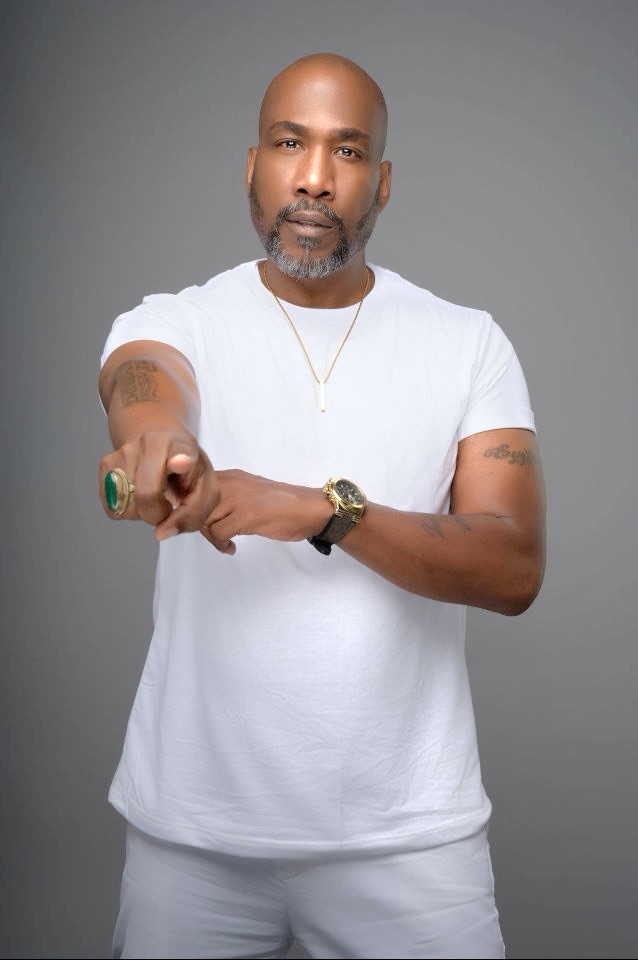
In Birmingham, Alabama, one name is steadily becoming synonymous with that shift: Perry Varner.
A seasoned creative, fashion designer, and visionary founder of HIM Fashion Week, Varner isn’t just producing events, he’s building a platform, a movement, and moment for men’s fashion that feels both overdue and right on time.
His story isn’t one of overnight success, it’s layered, intentional, and most importantly rooted in community, culture, and a deep understanding that fashion is more than what you wear.
It’s how you show up in the world.
From Passion to Platform: A Journey Rooted in Creativity and Purpose
Long before the lights, the runways, and the high-energy fashion week experiences, Varner was simply a teenager in Montgomery with a passion that refused to stay quiet.
“My journey into fashion began in Montgomery, AL as a teenager in a community program called KEEP Production in the 90’s. They produce an annual fashion show, showcasing area teenagers and their talent.” Varner said.
That early exposure planted something deeper than interest, it planted direction.
“After years of KEEP Production, I knew I wanted to pursue something within the fashion industry,” Varner said.
But passion alone doesn’t build legacy, experience does and Perry went after it intentionally.
An internship at Earthlink Live in Atlanta gave him something many creatives overlook early on: the business behind the beauty.
“It gave me insight on marketing and producing events. So I combined my interest and knowledge to become Creative Director of my own brands,” Varner said.
That combination of creative vision and strategic execution would later become the foundation of everything he built.
From producing large-scale fashion shows like The Style Experience in cities like Atlanta and Montgomery, to working with organizations like UAB’s Black Student Awareness Committee and founding BirminGLAM, Varner wasn’t just participating in fashion, he was curating it.
So when HIM Fashion Week was born, it wasn’t random, it was the next evolution.
“BMFW is just another extension of that work. This time I wanted to focus specifically on menswear designers, Black male designers and brands from the Birmingham area.”
It’s more than a showcase, but more so a pipeline.
“I mentor them. I help them develop their brands and BMFW is the showcase that will allow the public to see these brands, many for the very first time,” Varner said.
This isn’t just fashion, it’s access.
Building an Industry Where One Doesn’t Exist
When Varner moved to Birmingham after spending time in fashion hubs like New York City and Atlanta, he saw something many overlook: potential.
Raw
Untapped
Waiting
“I first noticed the amount of creative talent based here. I also immediately recognized that there is also an opportunity for many things here… to help contribute to the culture,” Varner added.
However, potential without infrastructure creates frustration, and Varner doesn’t shy away from naming that reality.
“There really isn’t a fashion industry in Birmingham… Those who have found some level of success seem to be gatekeepers or operate from their personal silos.”
Even deeper, he highlights a truth that many creatives quietly navigate:
“The creative scene here is also very racially divided… We can be trying to reach the same goals but they won’t collaborate because of race, social stigmas, etc.”
Still, instead of waiting for the industry to exist, Varner made a decision that separates dreamers from builders:
He became it.
“Sometimes, you are the industry that you’re seeking.”
That mindset is exactly what fuels HIM Fashion Week.
But what makes it different isn’t just the runway, it’s the intention behind it. It’s not just about clothes, it’s about conversations.
“This Fashion Week is literally five days of fashion events, networking, parties and other resources that focus on men’s health, mental wellness and style,” Varner said.
In a culture where men, especially Black men, are often discouraged from vulnerability, that kind of integration is powerful.
“There is no other event in Birmingham or Alabama that focuses on these components in a fashionable way. Many of the events are totally FREE to the public… we encourage groups and organizations that mentor young men to attend.”
From mental health resources to STD awareness, Varner is redefining what it means for fashion to serve a community, not just entertain it.
More Than a Runway: Creating Legacy, Opportunity, and Economic Impact
As HIM Fashion Week approaches (April 29–May 3), the outside world sees the polished final product—the looks, the lights, the curated experience, but behind the scenes? It’s a grind.
“The process is organized chaos,” Varner admits. “Every day is different… raising $25K, working with designers, managing models, marketing, press—it’s literally a full-time job.”
Yet, he does it with the precision of someone who’s been here before, because he has.
“I have been doing this for over two decades so I’m working from experience.”
What attendees will experience this year is nothing short of elevated.
“If you’ve never been to New York Fashion Week, I’m bringing my version right here to you in Birmingham,” Varner said.
The energy, the people, the presentation, and the moment.
“It won’t be perfect but it will be beautiful and it always leaves the audience wanting more.”
And for the designers and models? The opportunity is unmatched.
“I hope Designers and Models take advantage of this opportunity to build their personal brands at no cost to them… network, create content, connect to bigger opportunities.”
For Varner, success isn’t just measured in applause, it’s measured in access.
Long-term, he’s thinking bigger than just fashion. He’s thinking economics.
“Imagine this growing to a must-attend tourist attraction for Birmingham… people staying in our hotels, eating at our restaurants, buying merchandise… everybody wins.”
That vision transforms HIM Fashion Week from an event into an ecosystem.
A cultural driver, financial opportunity, and a legacy builder.

A Blueprint for the Next Generation of Creatives
For millennials watching from the outside scrolling, dreaming, wondering how to get in, Varners’s message is both grounding and empowering.
“Find someone who is successful in your field… find someone willing to mentor you… then show up and be teachable.”
Despite what social media might suggest, success in fashion doesn’t happen overnight.
“Often times, millennials want it right now. It doesn’t always work that way. I’m a 20+ year story, still growing, still learning,” Varner said.
That honesty hits different in an era of instant gratification.
For his own next chapter, he’s not slowing down, he’s scaling.
“Richard Dickson Collection… where streetwear meets formal wear—I want to develop it as the go-to brand for athletes, entertainers, and influencers nationally.”
For HIM Fashion Week, Varner wants “To grow as the largest fashion event and economic impact for Birmingham that supports designers of color annually.”
The Final Look
Varner isn’t just dressing men, he’s redefining how they show up, creating space where there was none, building culture in real time, and most importantly he’s proving that you don’t have to wait for a seat at the table.
You can build your own runway, and invite the world to watch.
