By Nicole S. Daniel
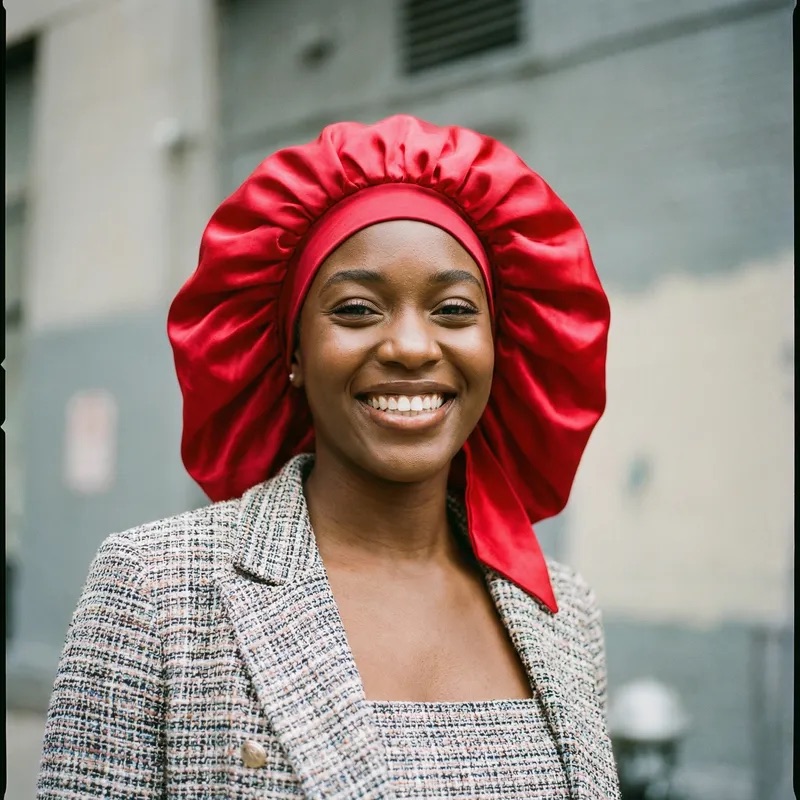
When Tuskegee University announced its updated dress code policy prohibiting items such as bonnets, durags, bedroom slippers, and revealing clothing in classrooms and campus dining facilities, social media did exactly what social media does.
Some applauded the university for restoring professionalism while others criticized the policy as outdated, overly restrictive, and rooted in respectability politics.
Somewhere between the hot takes and comment sections, I found myself asking a different question:
What is the standard?
Not just at Tuskegee.
Not just at HBCUs.
But everywhere.
As a millennial, this conversation feels familiar because many of us grew up hearing phrases like, “Dress for where you’re going, not where you are,” or “You never know who you’re going to meet.” Whether we agreed with those lessons or not, there was an understanding that certain places called for a certain presentation.
School was one of them, church was another, and job interviews definitely were.
There was a distinction between what you wore at home and what you wore when representing yourself in public.
Somewhere along the way, that line became increasingly blurred.
Today, pajamas are common in airports. Bedroom slippers show up in grocery stores. Hoodies and sweatpants have become acceptable in many workplaces. Maybe remote work reshaped how we define “professional,” and social media normalized a level of casualness that previous generations rarely embraced.
Is that necessarily a bad thing?
Not always.
Culture evolves, fashion evolves and society evolves.
But evolution also raises an important question: Have we become so comfortable that we’ve stopped teaching context?
Because context matters.
There’s nothing inherently wrong with owning a bonnet. Bonnets protect natural hair. Durags serve a purpose. Comfortable clothing has its place.
The real question isn’t whether those items are “good” or “bad.”
The question is whether we’ve done enough to teach young adults that every environment has different expectations.
A college classroom isn’t your bedroom.
A networking event isn’t your living room.
A corporate boardroom isn’t TikTok.
Knowing how to navigate those spaces isn’t about pretending to be someone you’re not, it’s about understanding the culture of the room you’re walking into.
That’s a life skill and perhaps that’s what Tuskegee is really trying to teach.
The university’s updated policy goes far beyond clothing. Students are also expected to limit cell phone use during class, attend classes consistently, build résumés, complete internships, pursue certifications, and dress professionally for business meetings and university events.
Viewed together, the message isn’t simply, “Don’t wear a bonnet.”
It’s, “Prepare yourself for life after graduation.”
That distinction matters.
At the same time, the criticism shouldn’t be dismissed either.
Many younger people argue that professionalism has historically been defined through a narrow lens, one that hasn’t always reflected Black culture, natural hair, or authentic self-expression. Those concerns deserve thoughtful discussion, especially on HBCU campuses that have long celebrated Black identity and excellence.
The challenge is finding the balance.
Can we celebrate individuality while also teaching professionalism?
Can students embrace their culture while understanding that different environments require different presentations?
Can universities prepare students for workplaces while also helping workplaces evolve?
I believe the answer is yes.
Perhaps what we’re witnessing isn’t simply a dress code debate.
It’s a generational conversation.
Millennials and Generation X were often taught standards without much explanation. We were simply told, “Because I said so.”
Generation Z tends to ask, “Why?”
Neither approach is entirely wrong.
One emphasized discipline.
The other seeks understanding.
Maybe the bridge between the two is education rather than enforcement.
Instead of only telling students what not to wear, colleges can explain why professional image matters. They can invite business leaders, alumni, and recruiters to discuss first impressions, workplace expectations, and the realities of different industries. Professionalism becomes less about policing clothing and more about equipping students with the ability to adapt.
After all, one of the greatest skills a person can have is knowing how to read the room.
HBCUs have always done more than award degrees.
They have produced leaders.
They have cultivated excellence.
They have prepared generations of Black professionals to walk confidently into spaces where they were often underrepresented.
That legacy shouldn’t disappear, but it should evolve in ways that acknowledge today’s students while still preparing them for tomorrow’s opportunities.
Maybe that’s the real conversation Tuskegee has started.
Not whether bonnets belong in classrooms, but whether standards still matter, and if they do, whose responsibility is it to teach them?
Perhaps the answer isn’t choosing between tradition and self-expression.
Perhaps it’s teaching students that both can exist at the same time, because professionalism isn’t about losing who you are.
It’s about knowing when and how to present the best version of yourself.
 The Modern Standard